

Reading List: Dress to Impress
April 16, 2026
By Katie Iwagami, Interlibrary Loan and Document Delivery Assistant, Frick Art Research Library
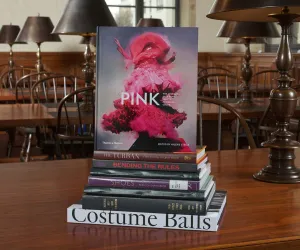
It’s fashion season at the Frick! With two style-themed exhibitions on view—Gainsborough: The Fashion of Portraiture and Ruffles & Ribbons: Fashion Plates from the Time of Marie Antoinette—and our upcoming slate of programs during “Fashion Week at the Frick,” our museum and library audiences are enjoying the representation of costume and dress in all their forms. Fashion continues to transfix not only as a dazzling sight to behold, but also as an invaluable source of study of people’s individual motivations and the collective psyche.
The Frick Art Research Library is proud to be involved in Ruffles & Ribbons, the Frick’s first gallery presentation dedicated entirely to works from the library’s holdings. The installation presents twenty-four hand-colored plates that depict eighteenth-century French fashions, drawn from our set of Gallerie des modes et costumes français (1778–87), a precursor to modern fashion magazines.
As part of this tradition of sartorial study, the library holds a robust collection of materials on the subject, ranging from exhibition catalogues to scholarly texts. Below, enjoy eight recommended books that celebrate the prevailing fascination for extravagant costume, personal style, and historic dress. Browse these books and many others by planning a visit to our reading room! To explore more resources on fashion history, browse the Frick Art Research Library’s new “Fashion at the Frick” research guide.
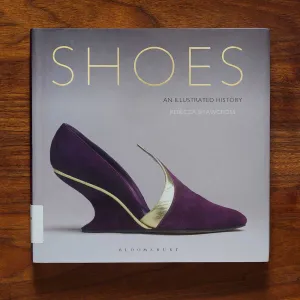
1. Shoes: An Illustrated History
By Rebecca Shawcross (2014)
Slip into Shoes: An Illustrated History, which presents a comprehensive history of Western footwear, analyzing the evolving tastes for shoes from various angles. From buckles and heels to color and design, this volume delves into how all parts of the shoe have been shaped by the conditions of different eras, including politics, climate, and culture.
2. Across Art and Fashion
Edited by Stefania Ricci (2016)
Published in conjunction with a multi-venue exhibition in Italy, this book investigates the interconnected worlds of art and fashion. Notable artists spotlighted in the publication include the Italian fashion designer Salvatore Ferragamo; Kazuo Ohno, a pioneer of Japanese butoh dance; and Yinka Shonibare, whose multi-disciplinary practice includes mannequins adorned in colorful Ankara textiles (below) that speak to a post-colonial perspective on history and identity. These artists and the others discussed embrace complex questions of representation through the medium of cloth, demonstrating how the dressed body provides insightful looks into individual and collective memory.

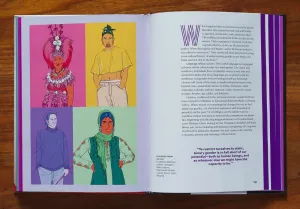
3. Bending the Rules: Fashion Beyond the Binary
By Camille Benda (2026)
This text is a meaningful and thoughtfully assembled introduction to a global history of garments that uplift, affirm, and embrace gender nonconforming people. In addition to interviews with artists, designers, and activists, readers can enjoy engaging essays on topics from kilts and kimonos to the costume design for the movies Orlando (1992) and Grease (1978).
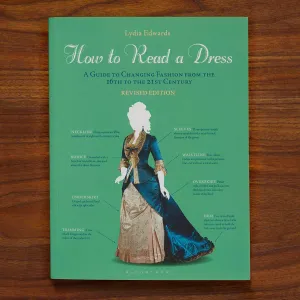
4. How to Read a Dress: A Guide to Changing Fashion from the 16th to the 21st Century
By Lydia Edwards (2021)
Covering five hundred years of clothing from Europe, Australia, and North America, this guide teaches readers to analyze historic outfits, revealing parts of a garment we may take for granted—like a pocket or a button—to encourage a slow-looking approach to dressed forms. The author also calls attention to significant features of function and materiality, supported by illustrated photographs and paintings depicting an outfit’s role and use in daily life.
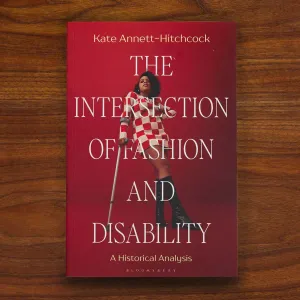
5. The Intersection of Fashion and Disability: A Historical Analysis
By Kate Annett-Hitchcock (2024)
Highlighting the interconnections between the revealed and hidden parts of a dressed body, this book explores advancements in prosthetic and assistive technology in the realm of fashion. The wealth of resources presented include documentation of academic research, government initiatives, fashion brands, and consumers with disabilities that have made contributions toward adaptive design in garments.
6. Costume Balls: Dressing Up History, 1870–1927
Edited by Cynthia Cooper (2024)
Released in conjunction with an exhibition held at the McCord Stewart Museum in Montreal, this catalogue examines fifty years of “fancy dress” balls attended by the bons vivants of Toronto, Ottawa, and Montreal. Readers will delight in the incredible costumes depicted in this book—some partygoers dressed as bluebell flowers or a deck of cards, while others went all out decked in the fashions of historical figures. The catalogue also celebrates the important work carried out by textile conservators, as well as the fascinating human stories that scholarly examination of this topic has uncovered.
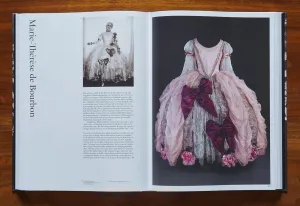
7. The Turban: A History from East to West
By Chris Filstrup and Jane Merrill(2025)
The turban holds a plethora of signifiers that communicate the wearer’s style, wealth, social rank, and religious devotion, among other attributes. For example, New Orleans’s sumptuary laws of 1786 forbade free Black women from wearing luxurious fabrics and embellished hairstyles. The tignon, or headwrap—which lawmakers dictated be worn in neutral colors as a way to brand these women as outcasts—transformed into a powerful symbol when Creole women wore colorful tignons as a symbol of resistance. This book contains many such stories that tell a multi-layered history of this one salient garment.

8. Pink: The History of a Punk, Pretty, Powerful Color
Edited by Valerie Steele (2018)
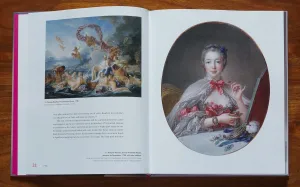
You may have heard of Valentino red, Tiffany blue, and Hermès orange, but did you know about “Pompadour pink”? Learn all about the potency of pink in this book by Valerie Steele, director and chief curator of the Museum at The Fashion Institute of Technology. This exhibition catalogue examines the cultural and political implications of red’s playful sibling and pink’s shape-shifting presence from costume design and social movements to music genres like punk, rock, pop, and hip-hop—and indeed, in French Rococo works associated with Madame de Pompadour, including paintings by François Boucher (below).
All photos by Joseph Coscia Jr., The Frick Collection