

A Design for Continuity and Change: The Frick Collection
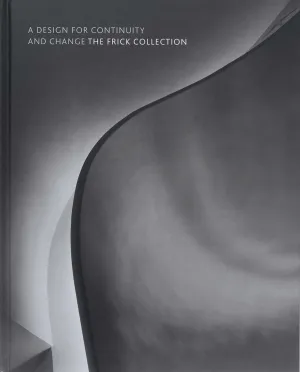
New York (February 19, 2026) — The Frick Collection announced the release of A Design for Continuity and Change: The Frick Collection, a multifaceted, richly illustrated publication documenting the institution’s 2021–25 renovation and enhancement—its first comprehensive upgrade since opening to the public in 1935.
The book includes texts on the history and context of this ambitious project, the selection of the award-winning New York–based firms Selldorf Architects and Beyer Blinder Belle, the goals of the renovation and how they were met, and the preservation issues and strategies involved. It sheds new light on Selldorf’s ingenious, pragmatic solutions, which addressed complex infrastructural and operational challenges throughout the Frick’s buildings while remaining acutely sensitive to the unique history and character of the museum and library.
A Design for Continuity and Change is authored by Ian Wardropper, the Frick’s Director Emeritus, and Annabelle Selldorf, FAIA, founding Principal of Selldorf Architects, along with Barry Bergdoll, Meyer Schapiro Professor of Art History and Archaeology at Columbia University and former Philip Johnson Chief Curator of Architecture and Design at the Museum of Modern Art, and Richard Southwick, FAIA, Partner Emeritus at Beyer Blinder Belle and executive architect of the renovation. In addition to plans and other drawings of the refurbished buildings, the book includes a photographic essay by acclaimed photographer Hélène Binet.
Commented Wardropper and Selldorf, “It is enormously rewarding to be able to step back and see how successfully the renovation adds space and makes much-needed upgrades while retaining the intimacy and scale for which the Frick is known and loved. In conceiving the book, we wanted to do more than just provide context for the project with essays, drawings, and photographs. We wanted to add a new dimension.
“To complement the documentary elements of the book, Hélène Binet produced a remarkable photographic essay of views taken just before the building opened to the public—that period when the contractors had left the museum and staff were preparing for the opening. It was a moment of liminal space, of suspended anticipation, that will never exist again. Her photographs beautifully capture the essence of the old and new, and the transitions in between, and how they have together created something more than we initially imagined.”
A Design for Continuity and Change is published by The Frick Collection in association with Paul Holberton Publishing. The 152-page hardcover volume includes approximately 175 illustrations. The book ($55, members 20% off in-store, 10% online) is available for purchase in the Frick’s Museum Shop, online at shop.frick.org, or by contacting shop@frick.org or 212.547.6849.
ABOUT THE FRICK COLLECTION
Housed in one of New York City’s last great Gilded Age homes, The Frick Collection provides intimate encounters with one of the world’s foremost collections of fine and decorative arts. Open since 1935, the institution originated with Henry Clay Frick, who bequeathed his Fifth Avenue residence and collection of European paintings, sculpture, and decorative arts for the enjoyment of the public. The museum’s holdings, which encompass masterworks from the Renaissance through the late nineteenth century, have grown over the decades, more than doubling in number since the opening of the museum. The Frick Art Research Library, founded more than one hundred years ago by Henry Clay Frick’s daughter Helen Clay Frick, is today a leading art history research center that serves students, scholars, and the public.
Last spring, the Frick completed a major renovation and enhancement project and reopened on April 17, 2025, with great fanfare. Designed by Selldorf Architects, with executive architect Beyer Blinder Belle, the project was developed to honor the historic legacy and character of the Frick while addressing critical infrastructural and operational needs.
For more information, please visit frick.org.