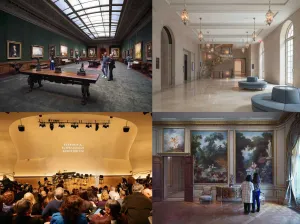
90th Anniversary: A Timeline
November 21, 2025
By Noah Purdy and Vincent Tolentino, Senior and Assistant Editors for External Affairs
In honor of The Frick Collection’s 90th anniversary, we invite you to explore a timeline of key moments in the institution’s history, from our original opening in 1935 to our grand reopening in 2025. Travel through the decades to discover major acquisitions, reactions to world events, expansions of our buildings and programs, and more.
Find more celebratory content on our dedicated 90th anniversary page, and visit our About page to access more information on the Frick’s history.
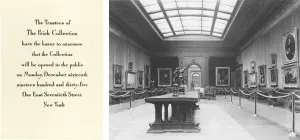
December 16, 1935
The Frick Collection opens to the public, following its transformation from a private mansion into an art museum.
December 27, 1937
Ingres’s Comtesse d’Haussonville is featured on the cover of Life magazine, helping introduce the Frick to more than a million readers.

1938
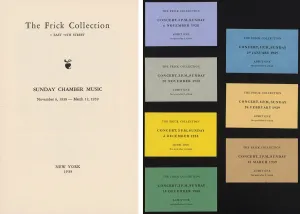
The Frick debuts its concert series, captivating audiences with performances by distinguished soloists, chamber groups, and early music ensembles. The following year, WNYC radio begins airing live broadcasts of Frick concerts, further establishing the museum in the city’s cultural landscape.
1940s
During World War II, the museum builds a new vault to protect its art.
The Frick Art Reference Library (now the Frick Art Research Library) serves as the headquarters of the Committee on the Protection of Cultural Treasures in War Areas (part of the so-called Monuments Men program), preparing maps to safeguard works of art and monuments across Europe during bombing raids.

1943
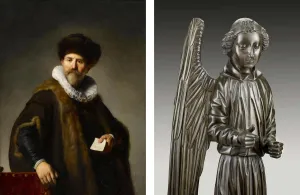
As the Frick’s permanent collection continues to grow, a number of important works are acquired this year, including Rembrandt’s Nicolaes Ruts, Constable’s White Horse, Goya’s Don Pedro, Duque de Osuna, and Barbet’s Angel.
1960
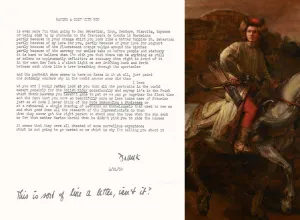
Frank O’Hara composes the love poem “Having a Coke with You,” which mentions visiting the Frick:
I look / at you and I would rather look at you than all the portraits in the world / except possibly for the Polish Rider occasionally and anyway it’s in the Frick / which thank heavens you haven’t gone to yet so we can go together for the first time
1965
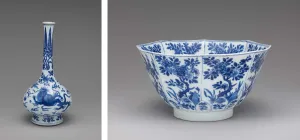
The Frick receives a major bequest of more than 200 Chinese blue-and-white porcelain objects from Childs Frick, son of the museum’s founder.
1977
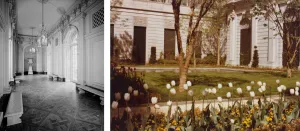
The Frick’s buildings expand. The Reception Hall is built to accommodate growing visitor numbers, and the 70th Street Garden is created by famed landscape architect Russell Page.
November 9, 1984
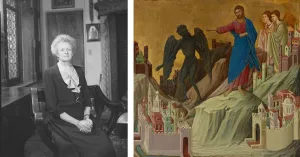
Helen Clay Frick, daughter of the museum’s founder, dies. Helen helped augment her father’s legacy after his death, founding the Frick Art Research Library and overseeing art acquisitions for four decades, with particular emphasis on early Italian Renaissance paintings.
1990s
The Frick creates a dedicated Education Program and steadily expands its educational outreach and public offerings, which are renowned to this day.

1997
The Frick creates an Archives Department to organize and make accessible institutional records, Frick family papers, and archival collections related to art history and collecting.
1999
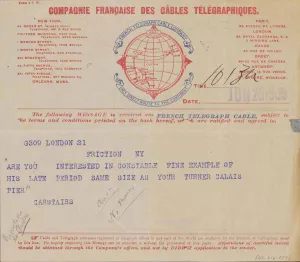
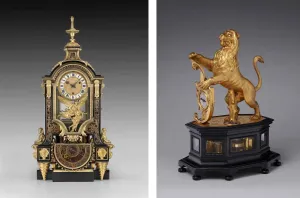
The Frick receives a major bequest of clocks and watches from the collection of Winthrop Kellogg Edey.
2001
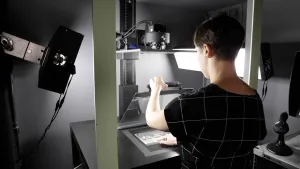
The Frick Art Research Library launches its digital preservation program, scanning materials from its collections for public access online. To date, more than 2.5 million pages of books, archival materials, photographs, and ephemera have been made available digitally.
2011
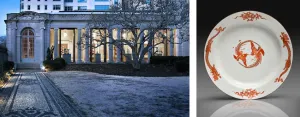
The north loggia of the Fifth Avenue Garden is enclosed to create the Portico Gallery—a space for the display of sculpture and decorative arts, including Meissen porcelain from the major promised gift of Henry H. Arnhold.
2016–18
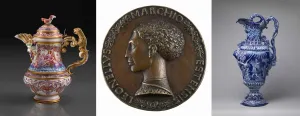
The Frick presents significant new gifts of sculpture and decorative arts: portrait medals from Stephen K. and Janie Woo Scher, Du Paquier porcelain from the Melinda and Paul Sullivan Collection, and French faience from Sidney R. Knafel.
2020
The Frick closes to prepare for its first comprehensive renovation in nearly a century, designed by Selldorf Architects.

2021
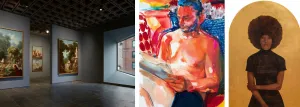
A temporary home, Frick Madison, opens in the modernist Breuer building on Madison Avenue, where highlights from the permanent collection are installed chronologically and by region.
The Frick also invites dialogues with its collection from leading contemporary artists, showing works by Doron Langberg, Salman Toor, Jenna Gribbon, and Toyin Ojih Odutola, as well as Giuseppe Penone, Olafur Eliasson, Nicolas Party, and Barkley L. Hendricks.
2022–23
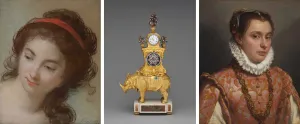
At Frick Madison, the Frick presents major new acquisitions, including a promised gift of drawings and pastels from the Collection of Elizabeth and Jean-Marie Eveillard, Moroni’s Portrait of a Woman from the Assadour O. Tavitian Trust, and a group of fine and decorative works from Alexis Gregory.
April 17, 2025
The Frick Collection completes the renovation of its historic Fifth Avenue home and reopens to the public.
The revitalized institution includes an expanded James S. and Barbara N. Reibel Reception Hall, the dedicated Ronald S. Lauder Exhibition Galleries and Ian Wardropper Education Room, our new Westmoreland café and Stephen A. Schwarzman Auditorium, a restored reading room, and new galleries on the second floor, which is opened to visitors for the first time.